
How LLMs Are Reshaping Content – From Creation to Visibility

TL;DR: LLMs are reshaping B2B content by changing how buyers discover solutions and how information get surfaced. As more research happens inside AI-generated answers, content needs to be more specific, machine-readable, and consistently reinforced across sources.
According to LLMs themselves, around 1 to 1.5 billion people are using them every week. That’s a significant change in where people go to get information.
For B2B marketers, it changes where buyers do their research. More of the discovery process now happens in environments where answers are generated before a website visit ever happens.
So what does that mean for content and visibility?
In a recent episode of the Attributed podcast, we brought together a panel of seasoned B2B leaders – Sooraj Shah, Content Marketing Lead at Aikido Security, Daisy Shevlin, Head of SEO at RocketSaaS, and Anna Puig, Senior Growth Marketer at Orb – to discuss how LLMs are reshaping content and why being published no longer guarantees being seen.
Listen to the full conversation here.
1. Buyers Are Building Shortlists Inside LLMs
Even a year ago, the way B2B buyers discovered solutions was predictable. A buyer would search, scan the first page (or maybe two) of results, and open a few tabs to compare their options.
Now, that shortlist is often formed before a buyer ever sees a list of links.
As Daisy describes it, buyers used to “type in a Google search that would surface your list of 10 pages” and then click into a handful of those results to evaluate vendors. Today, information is “just served within chat” and buyers can keep refining it by adding constraints and context until the answer fits exactly what they need.
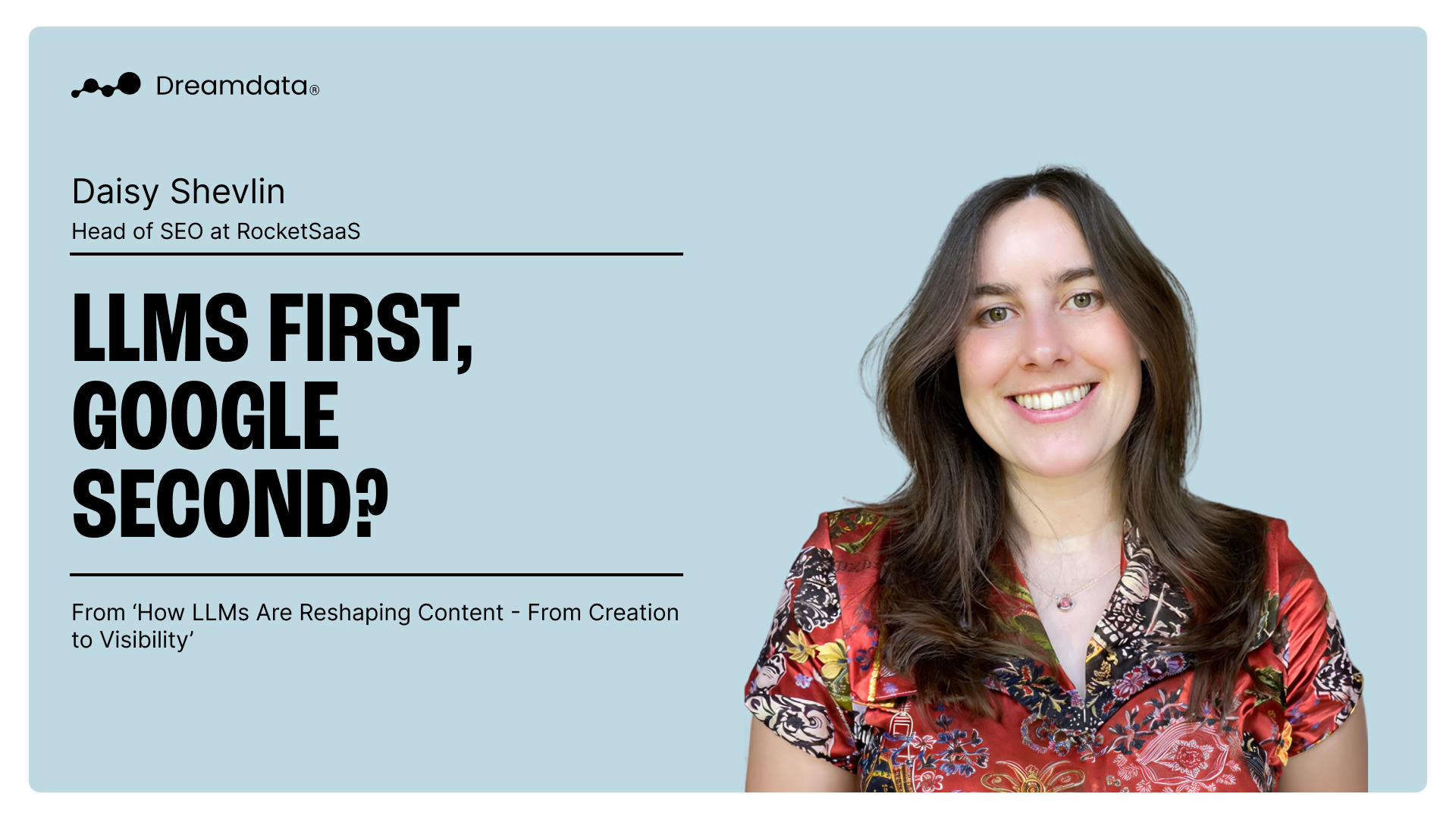
That compresses the entire discovery phase. LLMs act as a filter between the buyer’s question and your website, shaping opinions before you ever get a chance to make your case.
At the same time, the questions themselves are getting more specific. “People are actually digging deeper into very specific questions,” Sooraj explains, “and that’s how you surface your brand, if you tailor your content and answer those questions.”
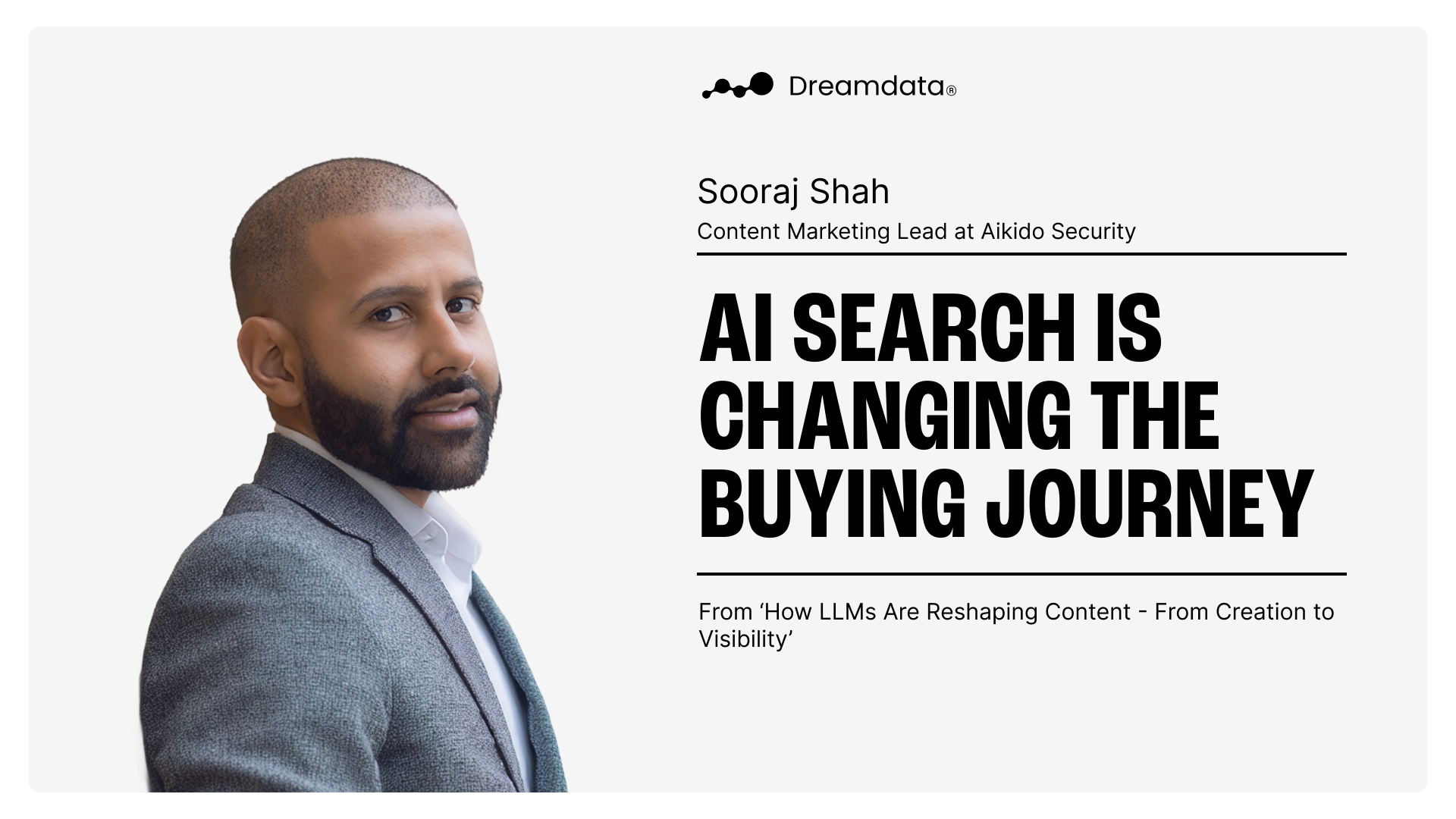
Rather than competing to rank on the first page of Google, B2B marketers are now competing to be included in a single, synthesized answer on an LLM. The opportunity is in the specificity: the more precisely your content answers a real buyer question, the better positioned it is to be surfaced.
And That Makes Buyer Research Harder to Measure
More research happens inside LLMs, so fewer parts of the buying journey result in a measurable click. And that leads to a visibility problem for B2B marketing teams.
Buyers are still evaluating options and narrowing their shortlist, but more of that activity now happens in environments that we can’t control or, oftentimes, track.
“It’s much less about ‘my campaign got this many views or clicks’,” Anna explains and much more about whether “the leads that I’m getting are the right ICP at the right time in the right geo for our sales team to make a quick opportunity conversion.”
Even when marketers try to measure visibility in LLMs, the signals are fragmented. As Sooraj points out, “you can see for a number of prompts how your brand is being surfaced,” but those insights depend heavily on the prompt and the context.
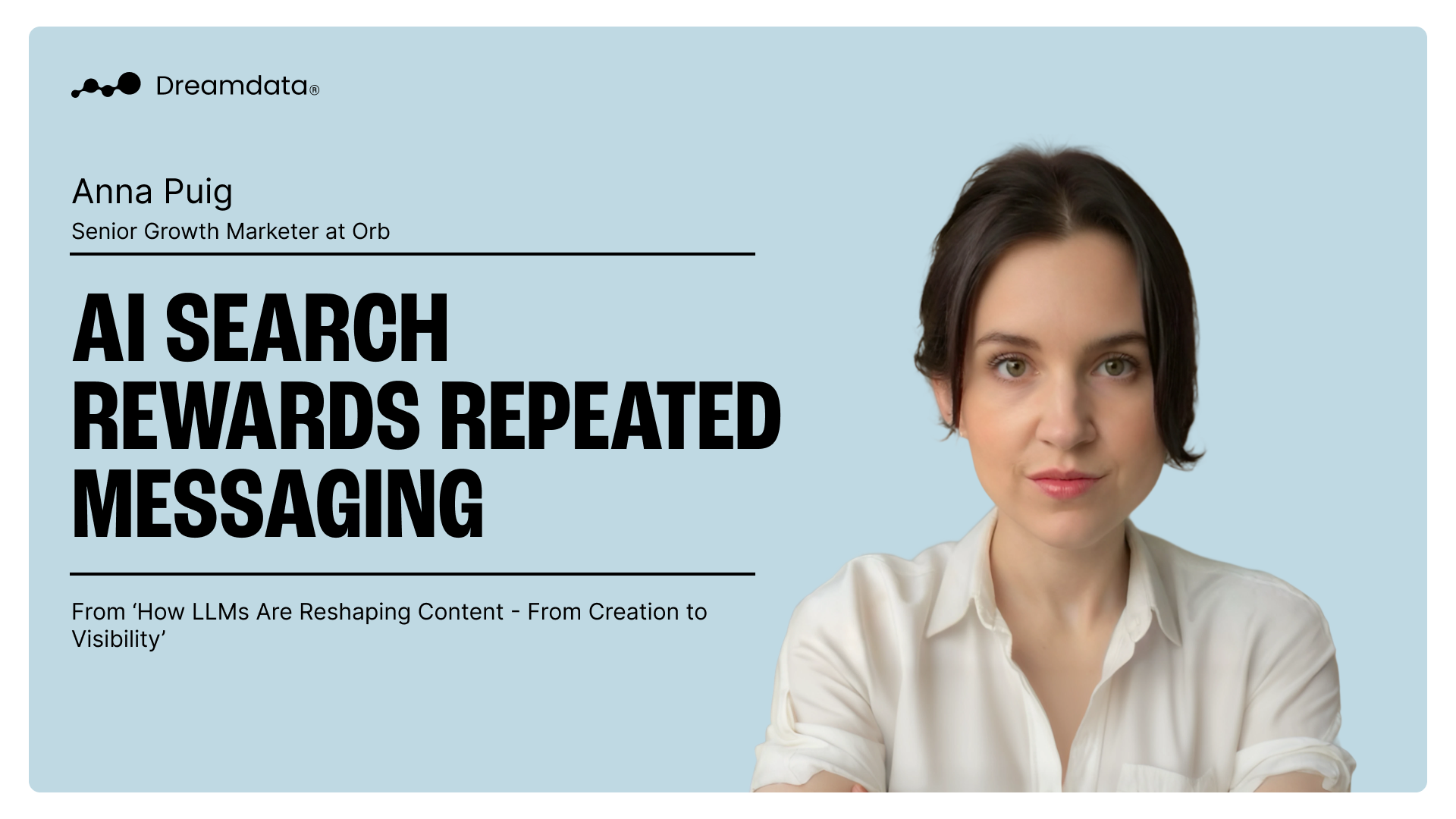
Looking at these signals in isolation makes it difficult to understand what’s actually driving pipeline. And sentiment is even harder to track.
Ultimately, the signal is shifting from how many people clicked to who is actually moving toward a buying decision.
2. Visibility Depends on More Than Your Website
Search engines rank pages.
LLMs assemble answers.
In a traditional search flow, visibility was primarily an on-page problem. The goal was to optimize your content to rank high enough and earn a click.
Now, much of that work is done for the buyer.
LLMs bring together answers from across the internet, extracting what’s relevant from training data, cited sources, and third-party publications. This changes what you’re competing against. As Sooraj notes, AirOps research suggests that around 85% of LLM responses draw from third-party sources, meaning owned content alone won’t get you there.

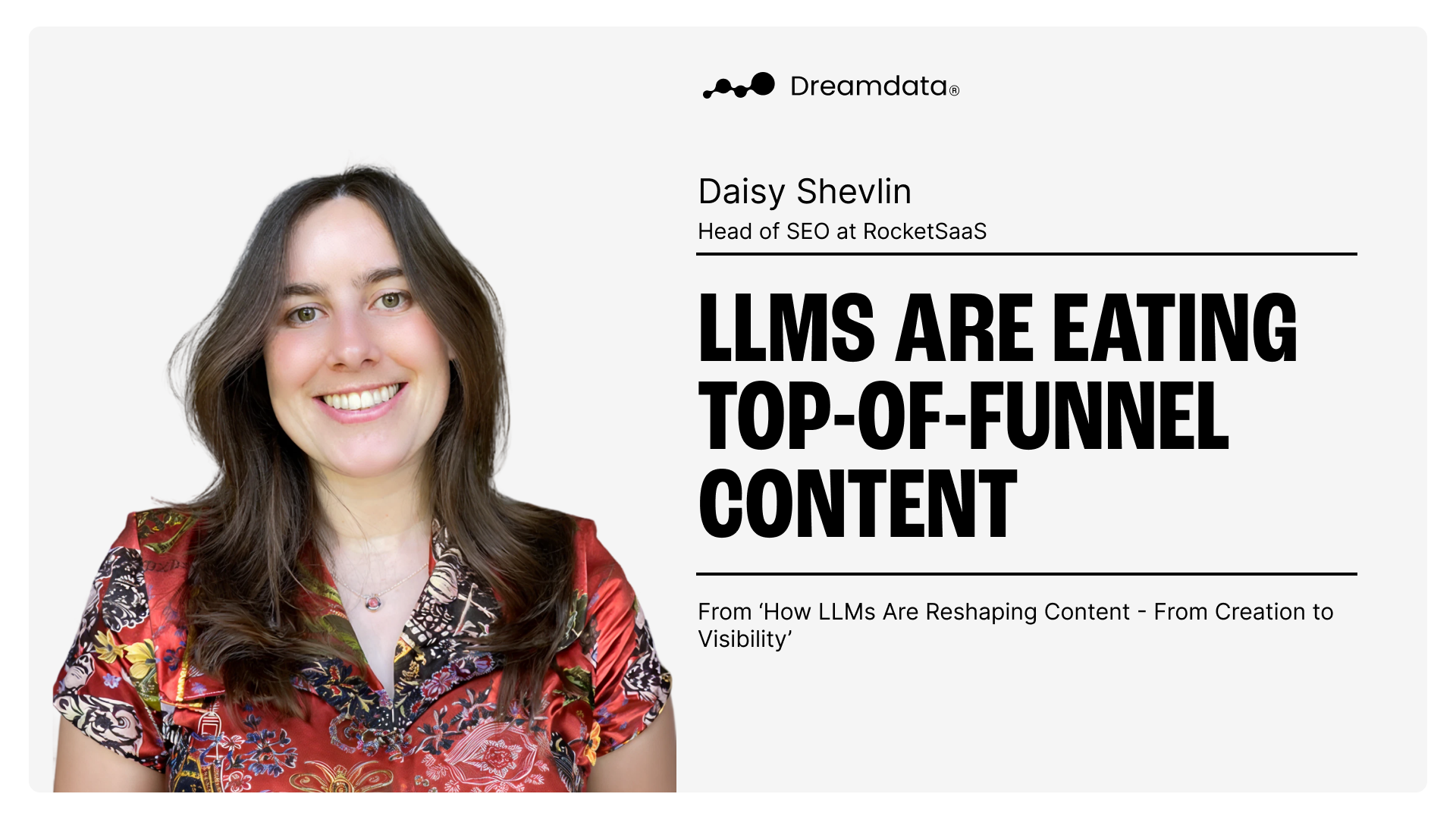
Daisy points to how this is already playing out: “I think what’s really interesting here as well is how [LLMs] are eating top of funnel content … So unless you’re appearing for searches that trigger a branded search term,” they won’t surface you.
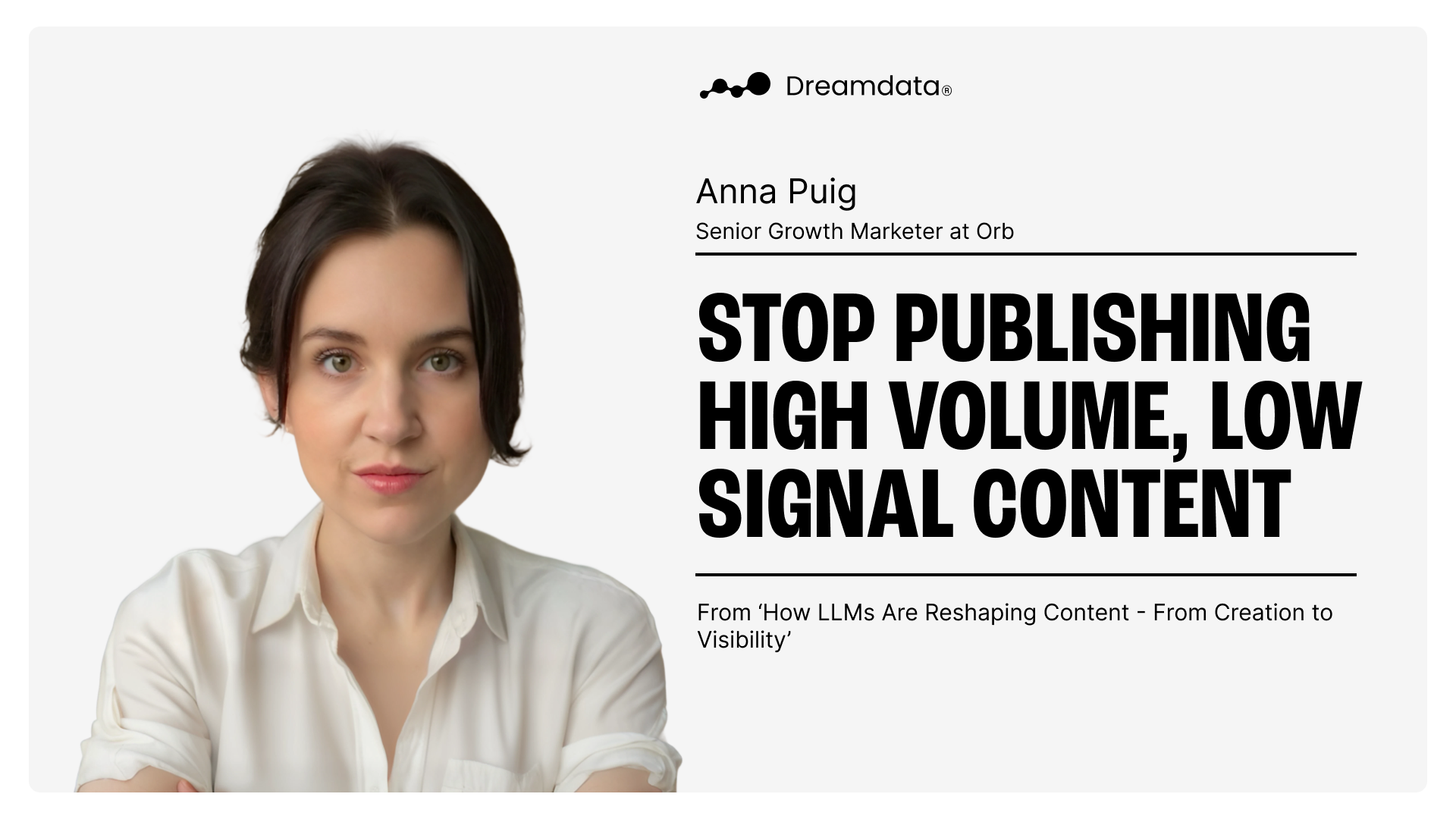
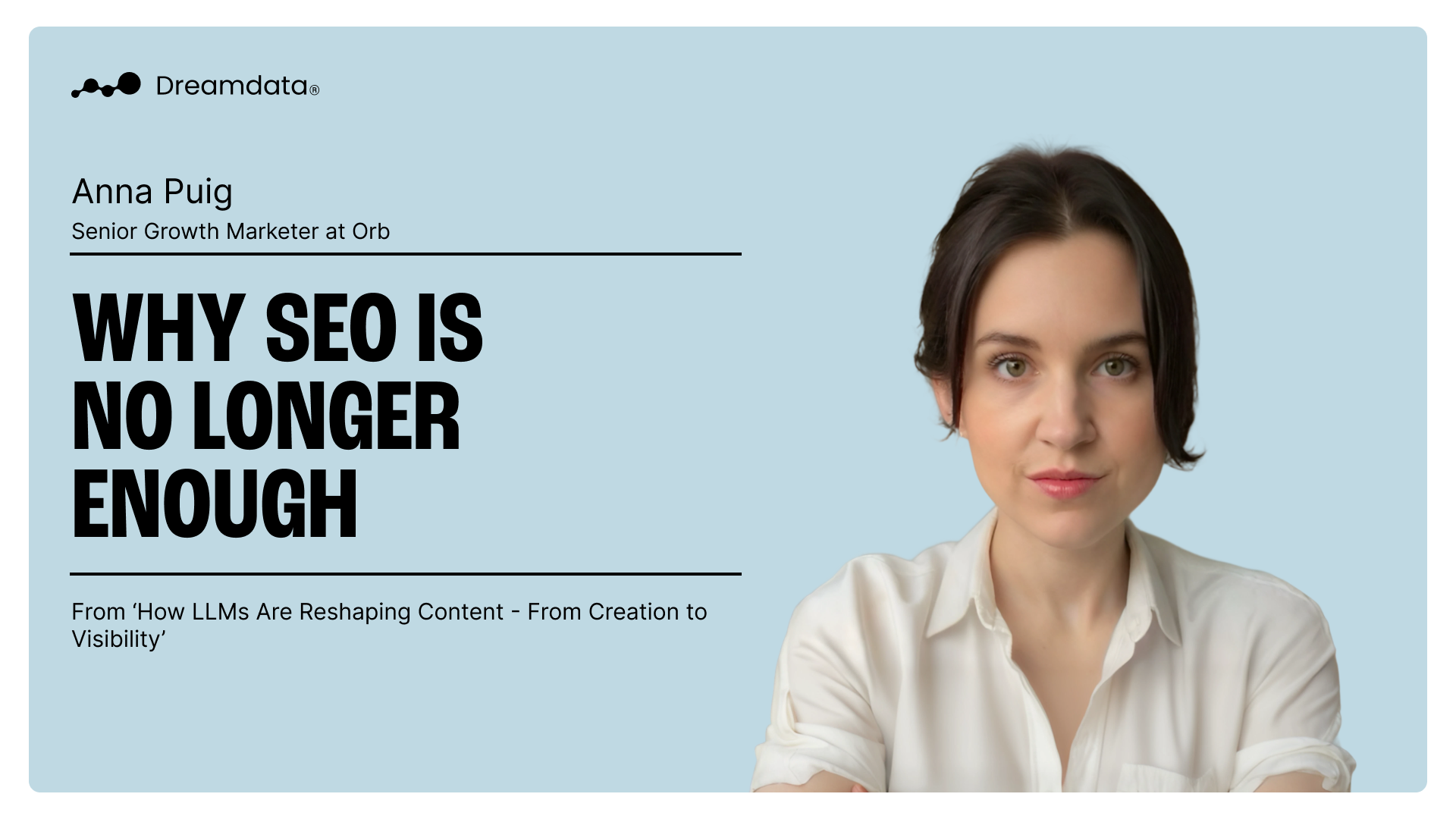
Anna echoes this shift: content needs to be “indexable and readable by machines,” structured in a way that makes it easy to understand and reuse. It’s no longer enough to just optimize for search engine rankings.
Sooraj adds that buyers (as well as LLMs) rely on community sources like Reddit, where “there are valid and valuable opinions from real people,” alongside review sites like G2 and Gartner. These sources carry weight because they reflect how the broader market actually talks about your category.
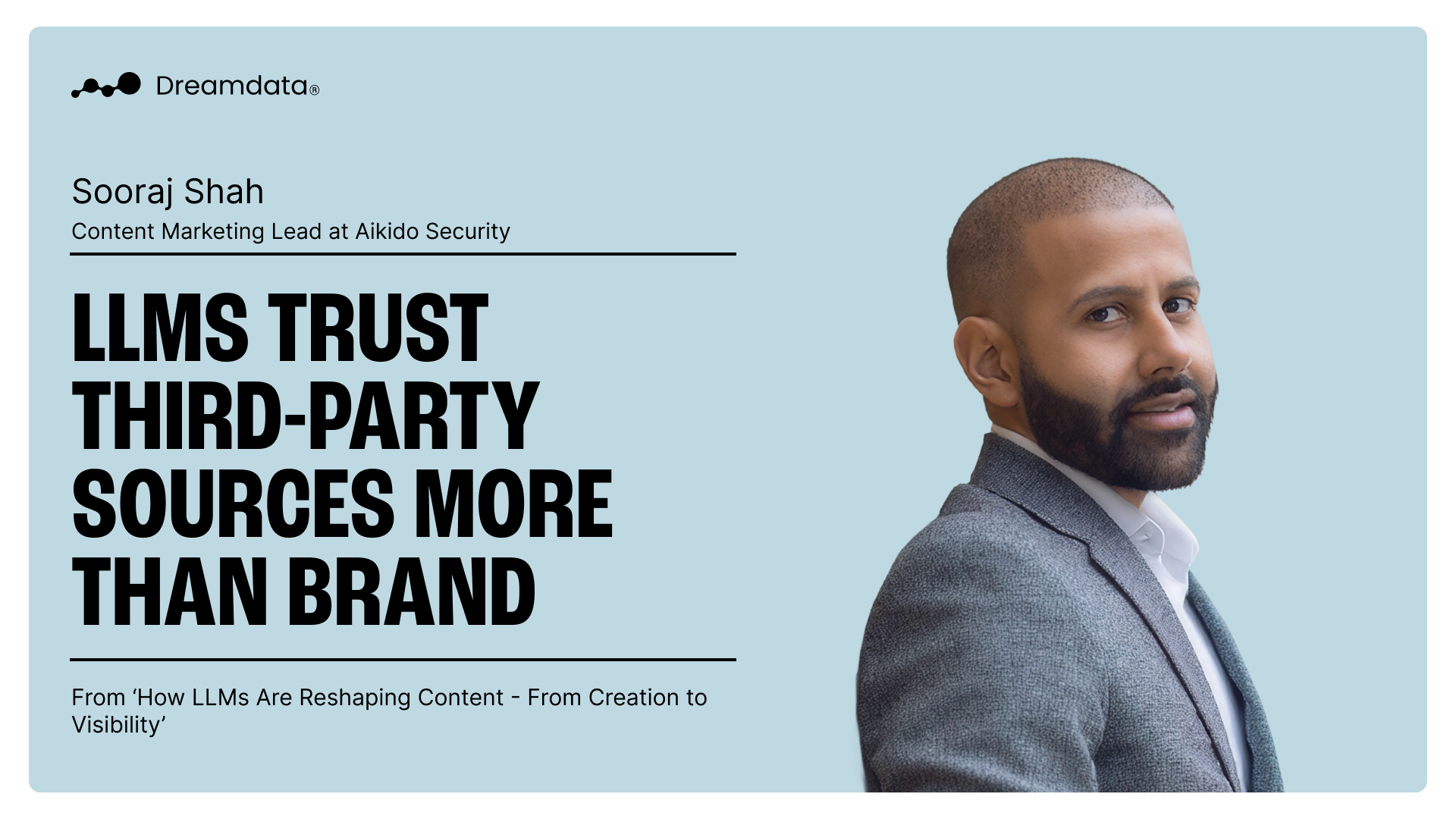
Visibility depends on more than what you publish on your own website. Your brand needs to be clearly understood across all of the places buyers (and AI models) look for answers.
3. Brand Clarity is Now a Visibility Problem
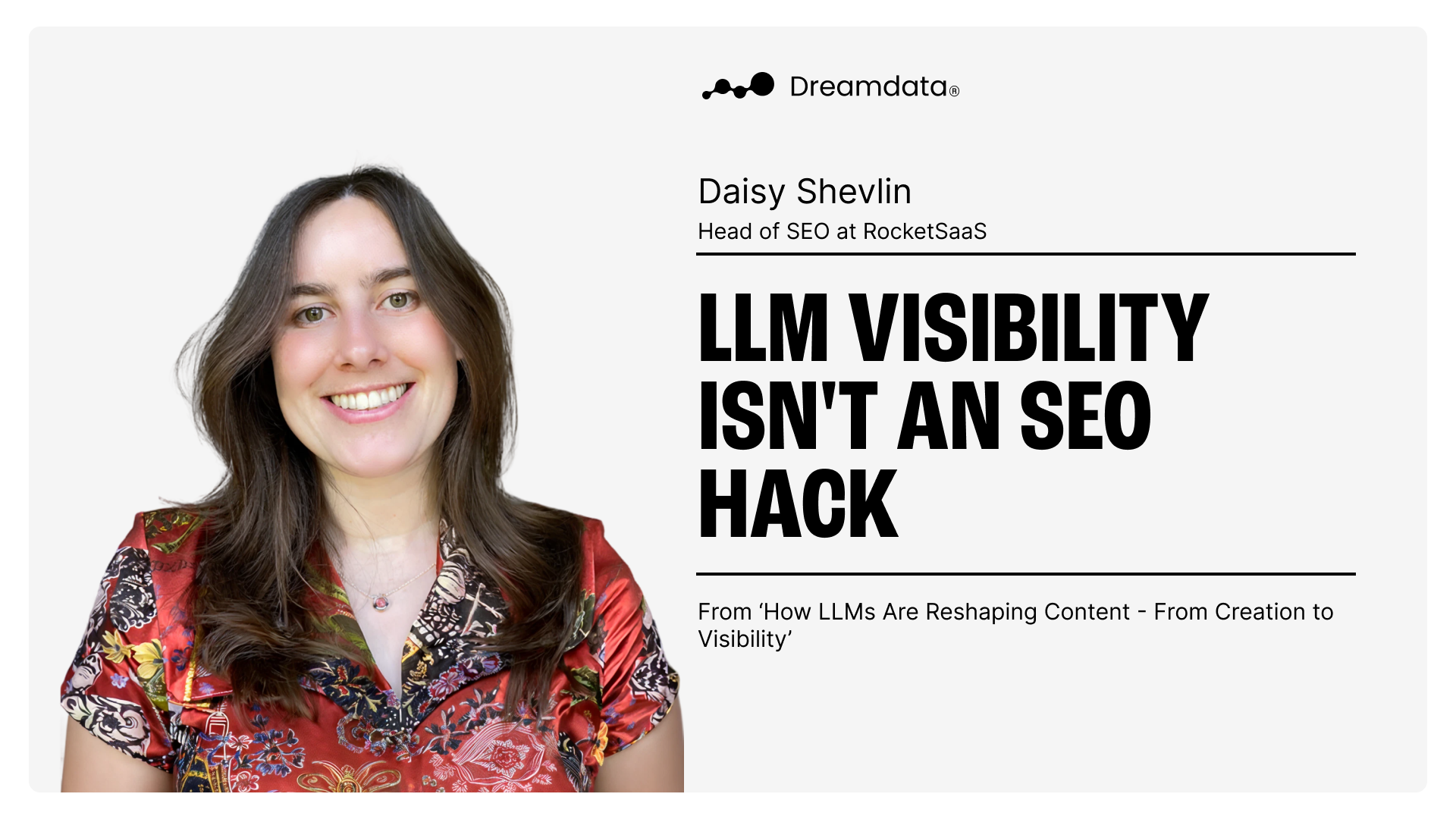
“LLM visibility is not just purely an SEO problem,” Daisy explains. “If you’re not showing up, it’s definitely something to do with your brand or messaging.”
LLMs don’t interpret nuance in the same way a human buyer might. They look for signals they can recognize and repeat. If your positioning is vague or buried in generic content, it becomes difficult for an LLM to form a clear picture of what you do, who you’re for, and why you’re the right choice for a buyer.
Brand clarity needs to be consistent across everything – your website, social media, ad platforms, video platforms, review sites, and wherever else you could possibly show up. Anna shares what it looks like in practice: “LLMs, in my experience, seem to care about: is the content on your website easily findable? Is your messaging concise? Does it echo what third parties are saying about you?”
When those three things are aligned, visibility follows.
“It matters more actually now what other people are saying about you,” Sooraj says. Buyers are actively forming opinions across channels, “whether that’s the forums, whether that’s the actual review sites, whether that’s publications.”
Your positioning needs to be clear enough to be picked up and repeated across those sources.
Conclusion
LLMs are reshaping content in three ways.
They change where buyers form opinions. Shortlists are formed inside chats rather than across ten high ranking links.
They change what performance looks like. There are fewer clicks and less visibility into early research, even when demand is still there.
And they change what gets surfaced. Everything said about your category is taken into account, not just your content.
That puts pressure on clarity. Content needs to clearly answer specific buyer questions in a way models can understand (in addition to being helpful for your buyers’ eyes). And your positioning needs to be consistent across your site and the rest of the market.
If a model can’t clearly represent what you do, you just don’t show up.
About the Speakers
Sooraj is the Content Marketing Lead at Aikido Security, a developer-first security platform. He has a background in B2B technology journalism, with experience writing for outlets like the BBC, Business Insider, and the Financial Times.
Daisy is the Head of SEO at RocketSaas and former SEO/GEO Leader at Cognism. She has led global SEO strategy across technical optimization and content to drive organic growth for B2B SaaS companies.
Anna is the GTM Engineering Lead & Senior Growth Marketer at Orb, a revenue design platform for AI and SaaS companies. She works across marketing, data, and operations to support go-to-market execution and measurement.
