
ChatGPT ads are the new paid channel in town. And with a new channel comes a familiar question: are we reaching the right buyers?
With ChatGPT ads, that’s harder to answer than usual. Your ads are matched to the conversation someone is having with the LLM, so you can’t choose which companies, job titles, or keywords you want to target.
And once your campaigns are running, OpenAI Ads Manager tells you how much you’re spending and how many clicks you’re getting. It doesn’t show which companies are clicking or whether any of those clicks are turning into pipeline and revenue.
Without those answers, you could end up investing more in campaigns that generate cheap clicks from companies that will never buy.
Dreamdata’s new OpenAI Ads integration gives you that missing visibility, so you can decide whether ChatGPT ads earn a spot in your budget. See which companies click your ads and follow their journeys through to pipeline and revenue.
With Dreamdata’s Conversion Syncs, you can then send enriched pipeline data back to OpenAI Ads, so its bidding algorithm learns what a good click actually looks like for your business.
OpenAI Ads Manager optimizes for clicks, but with Dreamdata, you can optimize for pipeline and revenue.
Reach the Right Buyers With ChatGPT Ads
Dreamdata already maps the most complete B2B customer journey, and a growing part of that journey now starts in ChatGPT. And paid media is the next step for that channel.
Ads launched for ChatGPT’s Free and Go plans in the US in early 2026 and expanded into the UK and Europe over the summer, so most B2B marketing teams are only just starting to figure out where ChatGPT ads fit in their paid strategy.
They work differently from your usual ad channels. On LinkedIn, you can target specific job titles and companies, while Google lets you target the searches buyers make.
ChatGPT ads, however, rely on context.
You describe the conversations you want your ads to appear in, rather than filtering by the job title, industry, company size, or specific companies you want to reach. Someone asking ChatGPT about the exact problem you solve shows real intent, but that intent only matters if they fit your ideal customer profile (ICP).
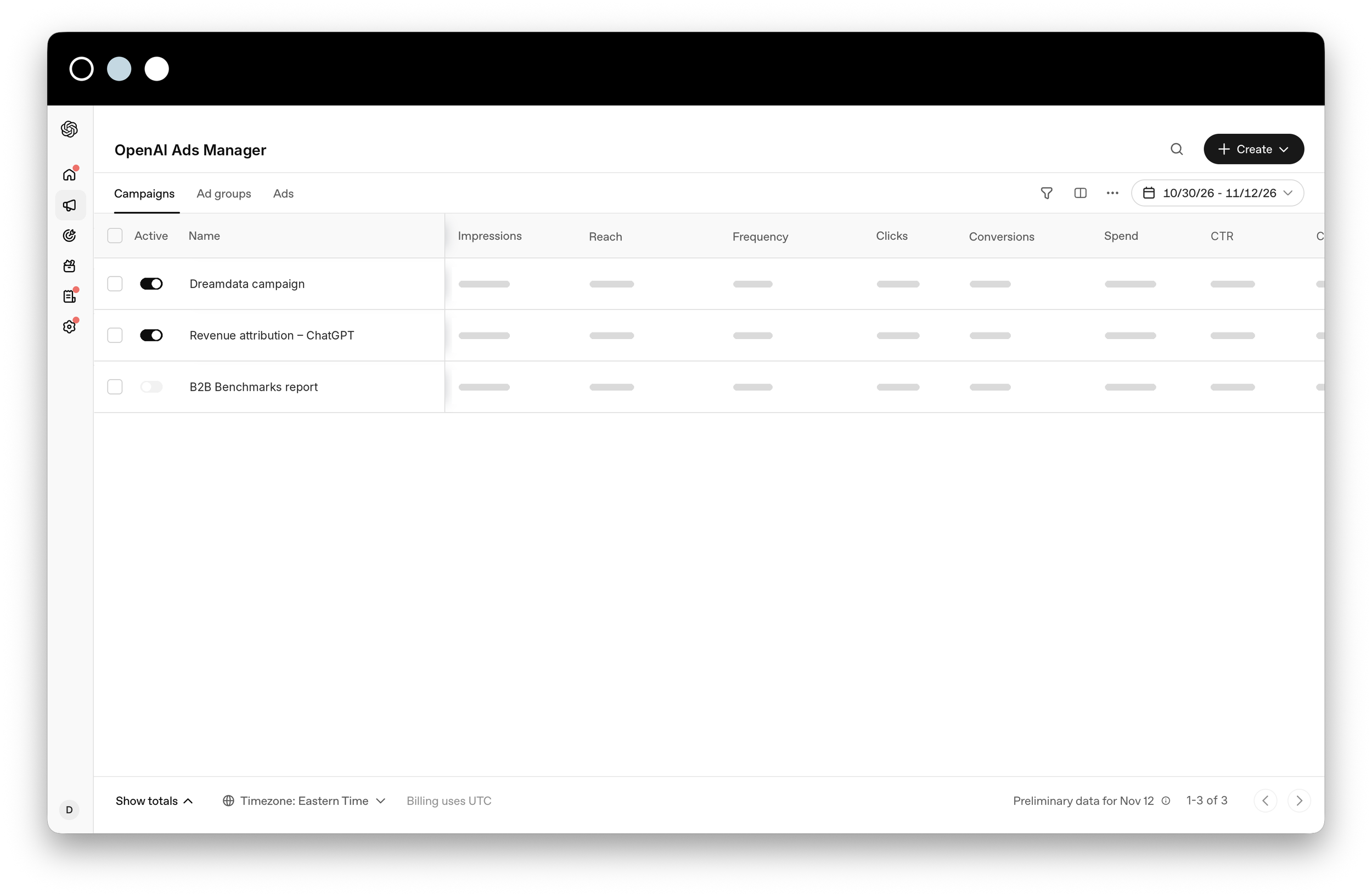
OpenAI Ads Manager only shows impressions, clicks, CTR, CPC, and CPM. Based on those numbers alone, ChatGPT ads might look like one of your cheapest channels, but you still won’t know whether the right companies are clicking.
How to Tell Which ChatGPT Ads Drive Revenue
Testing a new paid channel always comes with a bit of trial and error. ChatGPT ads are no different, except it’s difficult to judge whether your experiments are paying off when all you have to work with are clicks and costs.
See Which Companies Click Your ChatGPT Ads
If none of the clicks you receive come from companies that would actually buy your product, what are they worth?
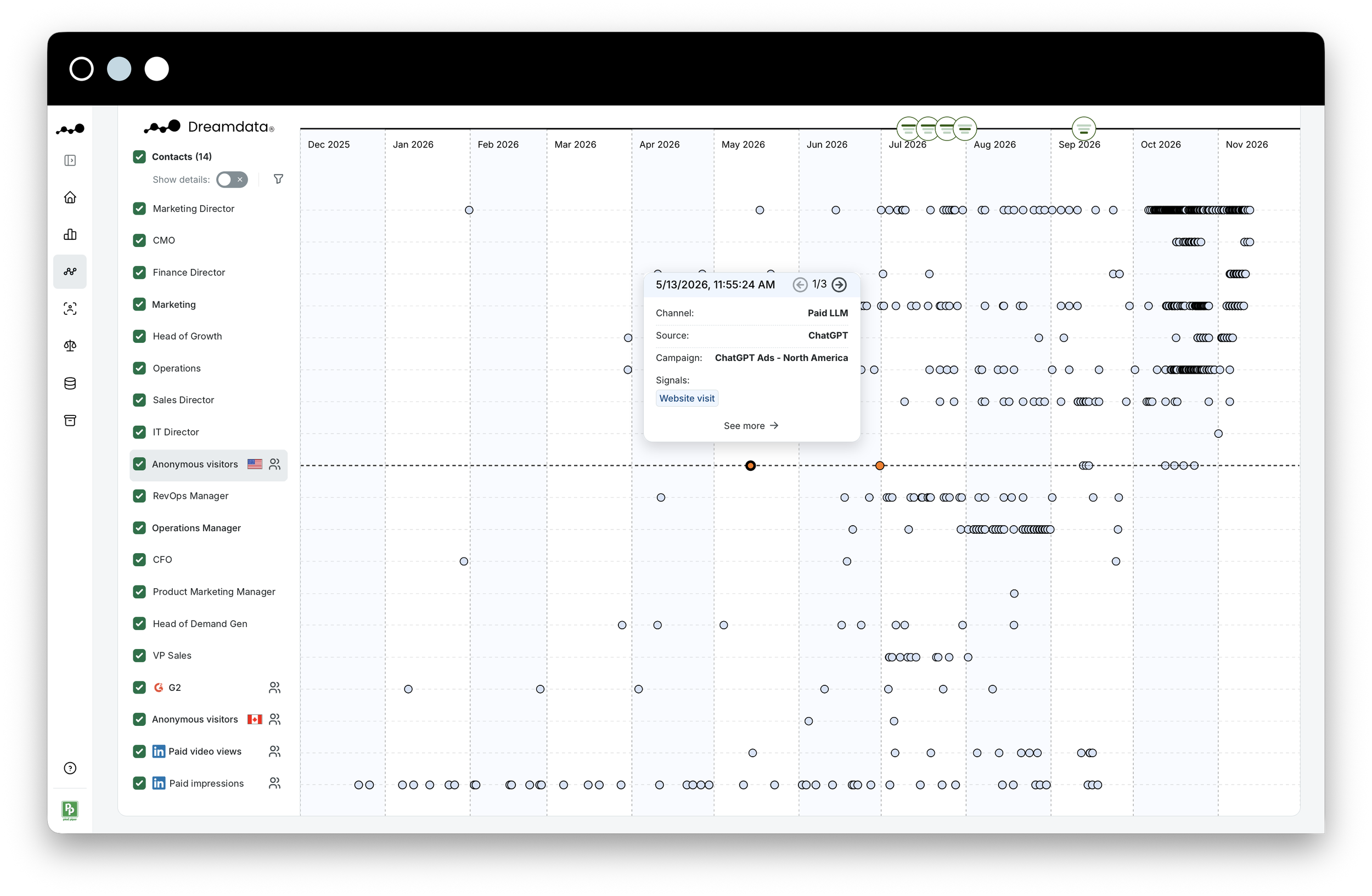
Dreamdata’s B2B tracking identifies the company behind the ChatGPT ad click, so you can see which accounts your campaigns are reaching and whether they match your ICP. Every visitor is assigned a unique ID, so the click is recorded even if the visitor hasn’t identified themselves yet. If they later fill in a form, that earlier click shows up on their journey.
Follow ChatGPT Ad Clicks Across the Customer Journey
Someone clicks your ChatGPT ad, looks through a few pages on your website, but leaves without booking a demo or filling out a form. It could be weeks or months before their company becomes a sales opportunity.
Dreamdata organizes every touchpoint by account, so you can see where ChatGPT ads fit alongside your other GTM touchpoints on an account’s journey. That includes whether a ChatGPT ad was the first time an account found you or if it came later, once they were already comparing options.
Measure ChatGPT Ads on Pipeline and Revenue
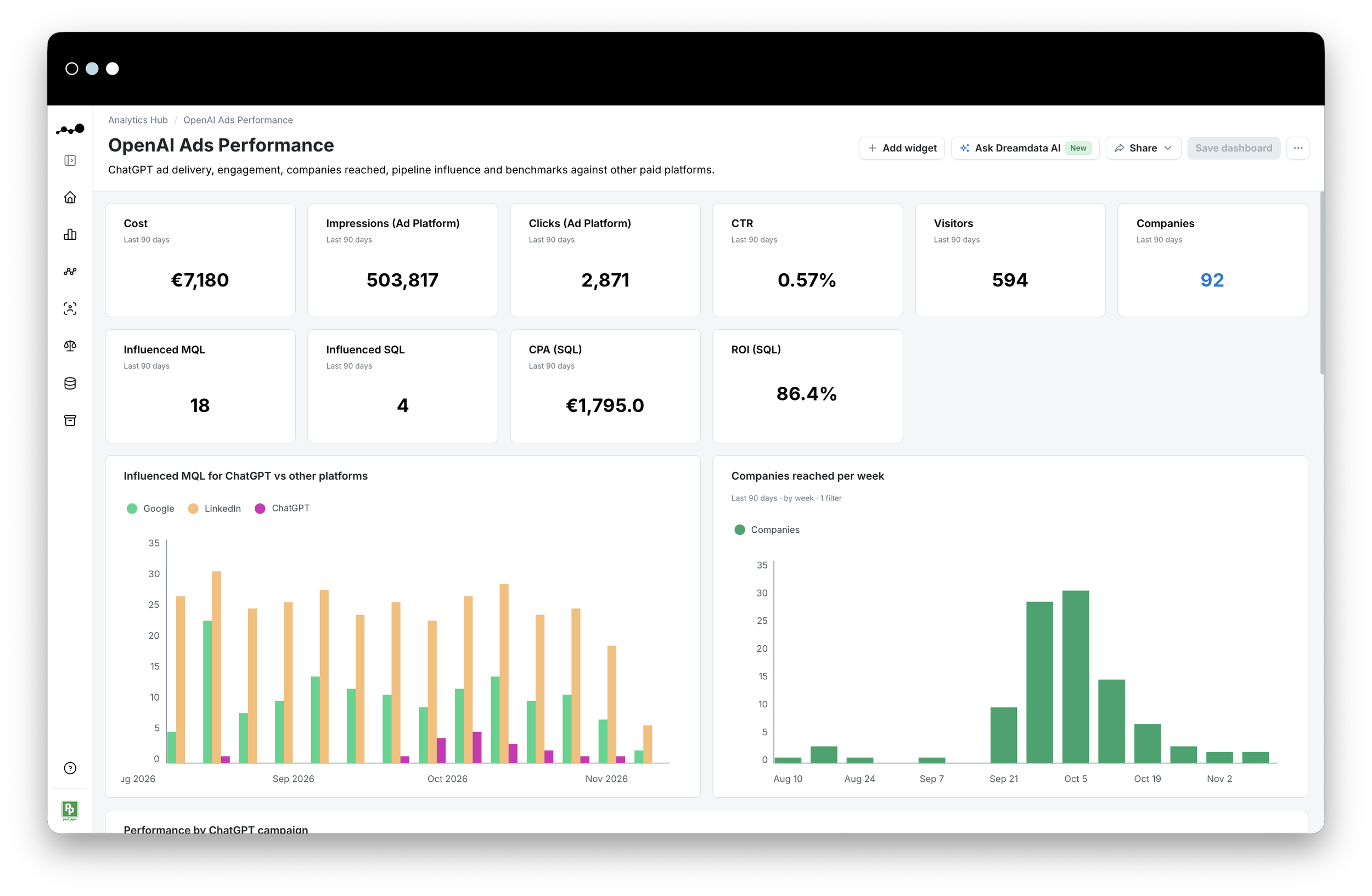
When you’re deciding where to invest your ad budget next, you need to know which ChatGPT campaigns contribute to pipeline.
Dreamdata automatically pulls daily cost, clicks, and impressions from OpenAI Ads, broken down by campaign, ad group, and individual ad. That performance data is then connected to customer journeys and the pipeline and revenue the ads generate.
You might find that the campaign with the cheapest clicks generates very little pipeline, while a more expensive campaign is bringing in accounts that eventually become customers. You can also compare ChatGPT ads with your other paid channels, like LinkedIn and Google, as well as organic ChatGPT traffic, to see where your investment is making the biggest impact.
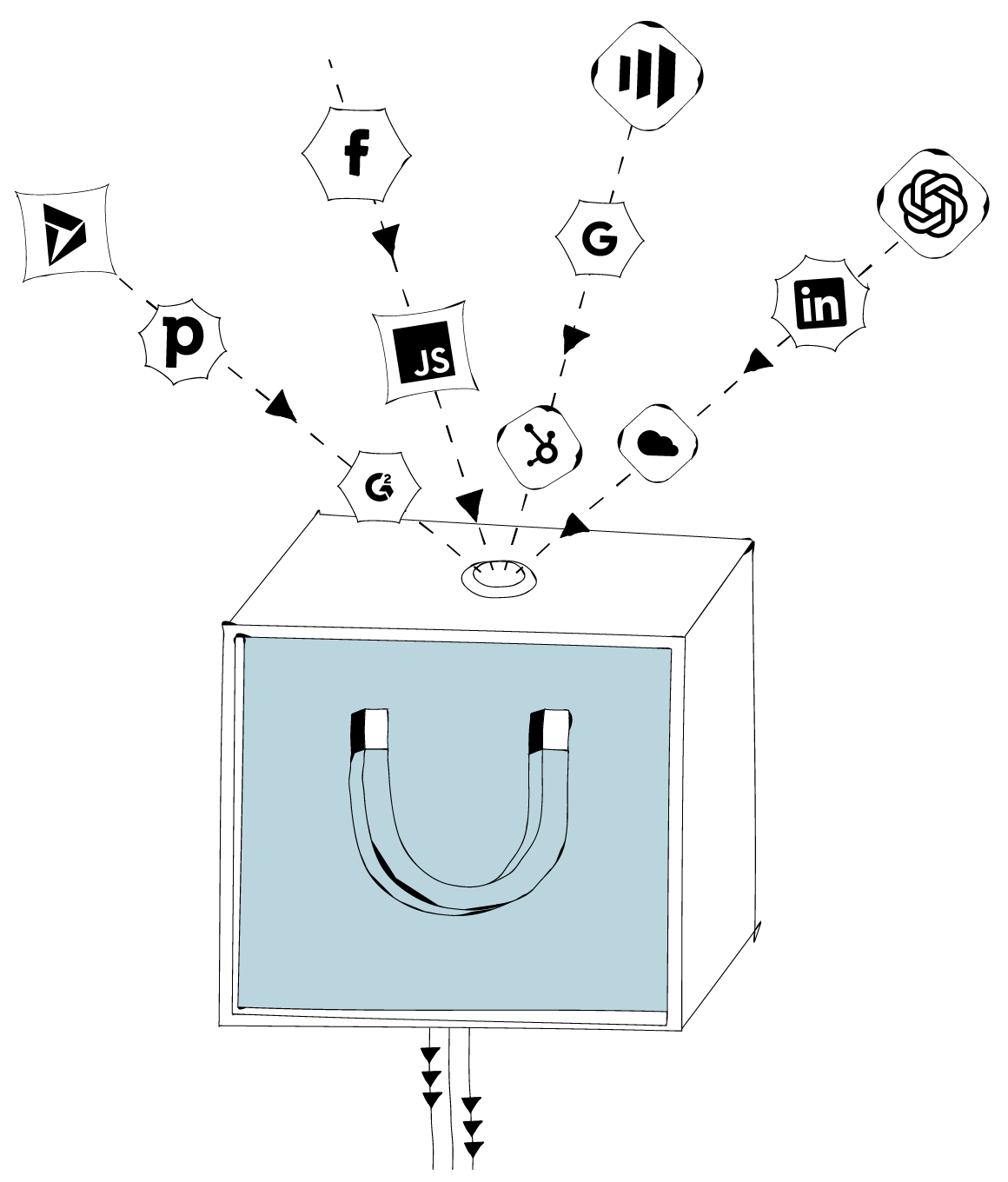
Optimize ChatGPT Ads with Conversion Syncs
Knowing which campaigns generate pipeline is useful, but OpenAI Ads also needs that information to improve its bidding. A form fill might look like a successful conversion to OpenAI Ads, but it doesn’t tell the platform whether that person belongs to an account that’s likely to become a customer.
Dreamdata’s Conversion Syncs send enriched pipeline data back to OpenAI Ads. That way, its bidding can favor the conversions that lead to actual sales opportunities, rather than chasing form fills and clicks.
How to Set Up the OpenAI Integration & Conversion Syncs
Find out what your ChatGPT ads are driving.
Connect OpenAI Ads as a “Source” in Dreamdata and we’ll automatically pull in your daily campaign performance data, including cost, clicks, and impressions.
Add Dreamdata’s tracking template to your ChatGPT ad campaigns so we can identify the companies behind the clicks and connect them to their customer journeys.
If you’re a customer on an Attribution & Activation plan, set up Conversion Syncs in Dreamdata’s Activation Hub and choose the pipeline stage(s) you want OpenAI Ads to learn from.
OpenAI Ads Integration FAQs
Find answers to the most common questions B2B marketers ask about Dreamdata’s OpenAI Ads Integration and Conversions Syncs.
-
Our OpenAI Ads integration automatically pulls in daily cost, clicks, and impressions from OpenAI Ads, broken down by campaign, ad group, and ad.
Dreamdata identifies the companies behind the ChatGPT ad clicks so you can follow them through the customer journey to pipeline and revenue, alongside your other GTM touchpoints. You can also compare ChatGPT ads with other paid channels and decide where to invest next.
-
No. ChatGPT ads are matched to the conversation someone is having, based on context you describe. Dreamdata’s OpenAI Ads integration shows you which companies are clicking your ads, so you can see whether you’re reaching your ICP.
-
Ads are shown to people using ChatGPT’s Free and Go plans. Users on Plus, Pro, Business, and Enterprise plans don’t see them.
-
Yes. Dreamdata tracks paid ChatGPT ads separately from organic visits coming from ChatGPT, so you can measure how each contributes to pipeline and revenue. Dreamdata automatically categorizes traffic from ChatGPT and other LLMs under its “Organic LLM” channel.
-
Yes. Dreamdata’s Conversion Syncs send data from your chosen pipeline stage(s) back to OpenAI Ads, synced daily. OpenAI Ads can then use that information to optimize campaigns that lead to pipeline.
