
How to Build a B2B Influencer Program with Brianna Doe
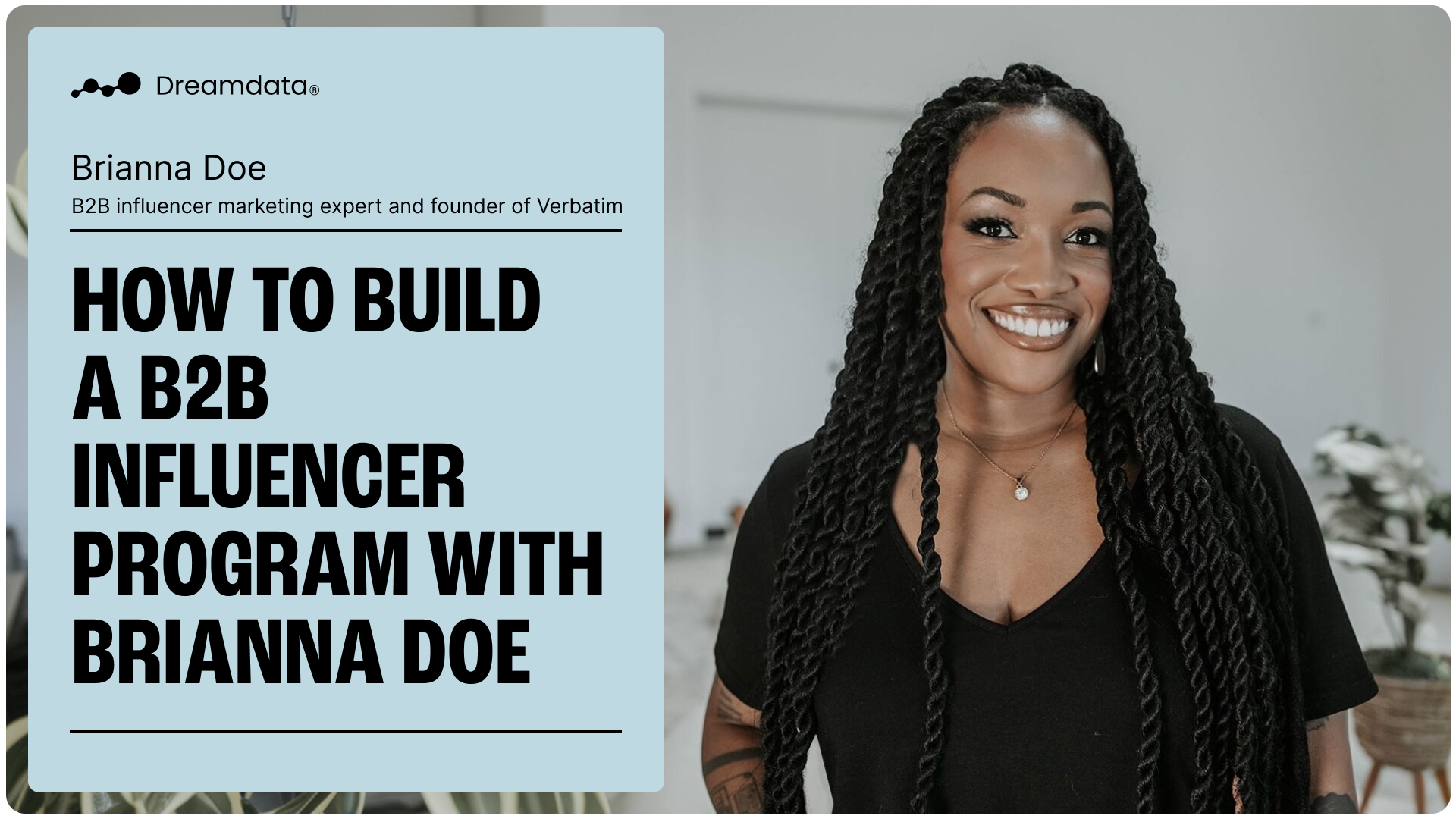
TL;DR: The value of B2B influencer marketing comes from the trust creators have already built with their audiences. The strongest programs protect that trust by giving creators creative freedom and giving partnerships enough time to influence buyers.
How do you build the same trust and credibility through influencer marketing in B2B that brands have built in D2C for years?
Creators have spent years building audiences that actively choose to listen to them. That’s an opportunity for you to reach buyers through people they already know and trust.
But paying for access to that relationship doesn’t automatically mean you benefit from it.
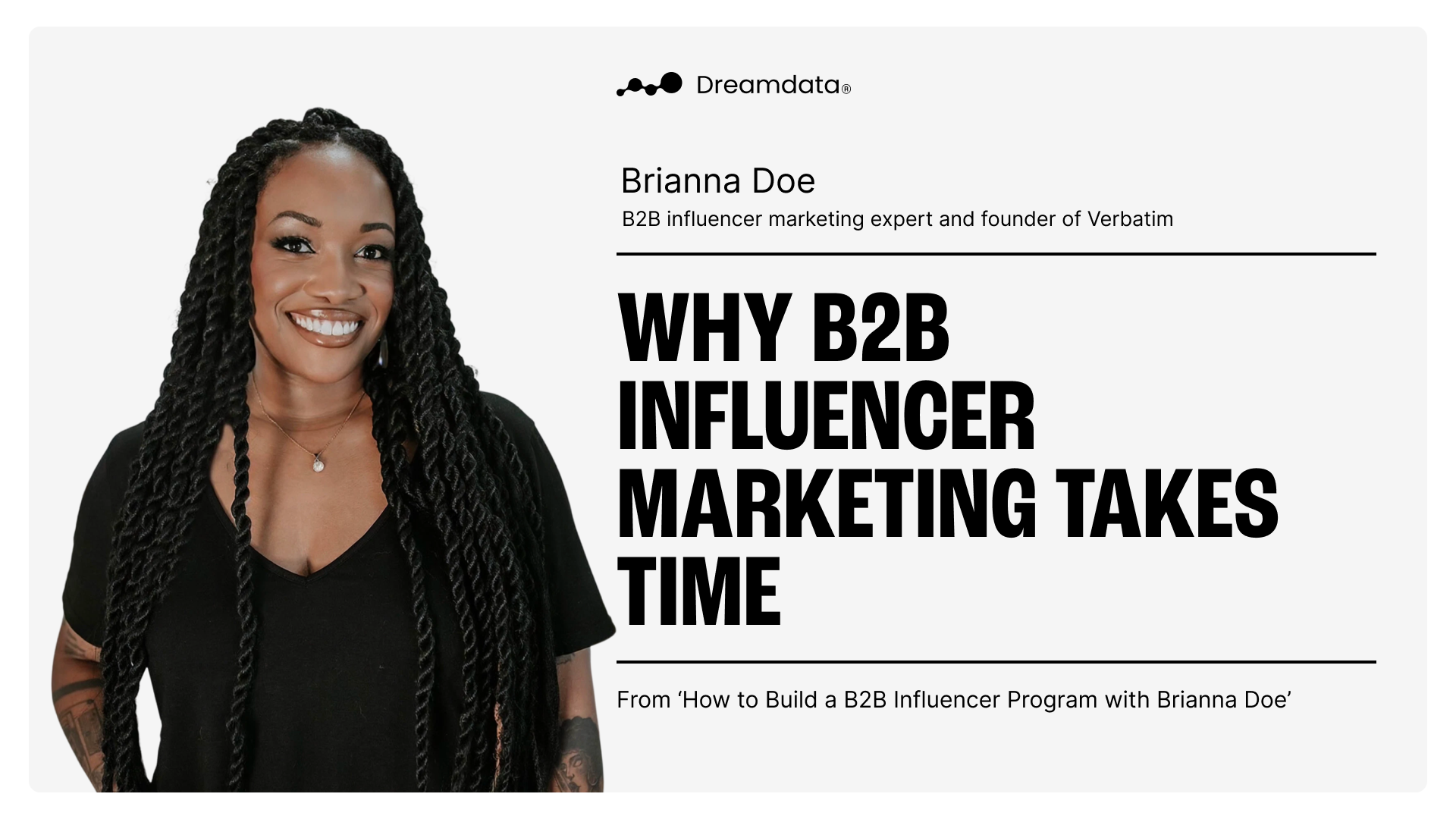
In a recent episode of the Attributed Podcast, we sat down with Brianna Doe, an expert in B2B influencer marketing and founder of Verbatim, to discuss why trust is the foundation of effective B2B influencer programs and what brands need to get right to protect it.
You can also listen to the full conversation here.
Trust Transfers When Brands Give Up Control
The quickest way to make a B2B creator content feel like an ad is by writing the content for them.
And once it feels like an ad, you lose the reason for working with the creator in the first place: their ability to communicate with the audience that already trusts them.
It’s an understandable instinct. You know the product, the positioning, and the messages your audience usually resonates with. But when you’re paying someone else to talk about your brand, handing over control feels risky.
Too much control devalues creator partnerships.
“You have to let them live. You have to let them create the content,” says Brianna. “If you’re working with this creator, it’s because you love their content. You love the audience they’ve built. You admire, respect, support the trust and credibility they’ve built with that audience. So why would you essentially rent space on their feed to put an ad that you wrote?”
You set the boundaries. Then you let go.
Give creators enough context to understand who you’re trying to reach, the story you want to tell, the product features that matter, and any specific messaging or compliance boundaries they need to respect.
Brianna compares it to putting bumpers up on a bowling lane: enough direction to keep things on course without controlling exactly where the ball goes.
You still review the content and flag anything that genuinely conflicts with the brand. But resist polishing every sentence to fit neatly within your brand’s tone of voice. At that point, it starts to sound like something your company page would publish.
The words should sound like the creator, because that’s where the trust came from in the first place.
The Best Creator is the One Your Buyers Already Trust
The biggest creator isn’t necessarily the most valuable one for your brand.
What matters is who is actually on the other side of that follower count.
A creator can have an engaged following and produce great content, but if that audience doesn’t include the buyers you want to influence, the size of it won’t help much.
The relationship they have with that audience matters too. Follower count shows how many people a creator can potentially reach. But it’s the conversations happening around their content that show whether people actually pay attention to what they have to say. Brianna prioritizes creators who spark genuine discussion over those whose engagement is dominated by surface-level reactions.
Then there’s whether your brand belongs in that conversation at all.
A creator can reach exactly the right buyers and still be an odd fit if the partnership feels disconnected from what they normally talk about. “If it doesn’t feel organic, then it’s not a fit regardless,” Brianna says.
None of this makes follower count irrelevant. But it does change what follower count is useful for.
The usual debate between micro and macro creators creates a false choice. As Brianna explains: “I’m able to test messaging at a broader scale if I work with a larger creator. [And] I’m able to test it with a niche audience if I work with a smaller creator.”
Influencer programs should use both, for different jobs.
A larger creator can take your message to a much bigger audience, which is useful for testing what resonates at scale. A smaller creator gives you access to a more specific group of buyers where the conversation may be narrower but highly relevant.
Which one makes sense depends on what the program needs to achieve. Awareness and conversion are different jobs, and they don’t necessarily call for the same creator or content. There’s no “right” follower count; the right creator is the one whose audience, influence, and content fit the job you need them to do.
Reach only gets your brand in front of people. The right creator gives your brand a place in a conversation those people already trust.
Familiarity Takes More Than a Single Post
A single creator post can put your brand in front of the right buyers, but it’s unlikely to make them ready to buy.
The average customer journey now lasts 272 days and involves 88 touchpoints across four channels. And most of that journey happens before the sales team ever gets involved.
So, creator partnerships need enough time to become part of that process.
That doesn’t make one-off campaigns ineffective. Brianna sees a clear role for them around moments like product launches, where working with several creators at once can generate concentrated awareness and conversation. Longer partnerships have a different job.
“It’s going to take time for an audience to get to know the brand,” Brianna explains. “You have to give them different ways to engage with the brand [and with] different creators you’re partnering with who can talk about it in different ways.”
Instead of encountering your company once in somebody’s feed, buyers hear about it in different contexts, from different people, over time. That repeated exposure creates familiarity.
Expecting a creator partnership to prove itself through immediate conversions compresses that buying journey into a window it doesn’t fit. Traffic, time on site, content engagement, and changes in how buyers speak about your brand can show what’s happening between first exposure and conversion (and where the program needs refining).
Strong creator engagement followed by weak website conversion, for example, could point to a disconnect between the story buyers hear from a creator and the one they find once they visit your site.
For Brianna, longer-term partnerships are where creators can start contributing further into the buying journey: towards trial signups, demos, and eventually revenue.
Give buyers enough time and enough reasons to know your brand before expecting them to choose it.
Conclusion
Traditional paid platforms give marketers relatively clear inputs and outputs. But influencer marketing is less predictable because it’s human-to-human. Overengineer that relationship and the content starts to feel out of place.
B2B influencer programs depend on finding creators who already connect with your buyers, giving them space to communicate in a way that feels authentic to them, and showing up often enough for familiarity to build.
You’re ultimately buying into the trust the creator has already earned from their audience. Treat the creator's trust as the asset, then build the program around protecting it.
About the Speaker
Brianna Doe is an expert in B2B influencer marketing and the founder of Verbatim, an influencer marketing agency that helps B2B brands build and scale creator programs.
She has more than 14 years of marketing experience, working with startups and enterprise companies on influencer strategy. Her newsletter, “Stop the Scroll”, decodes internet culture and explores why we do what we do online.
